What Homeowners in Troy Should Know Before Finishing a Basement
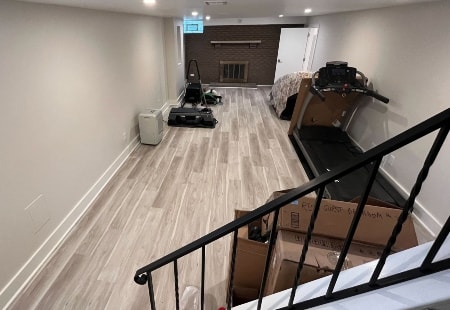
If you are planning basement remodeling in Troy, MI, you want a space that feels dry, warm, safe, and truly useful year-round. Southeast Michigan weather brings freeze-thaw cycles, humid summers, and heavy spring rain, so the finish line starts with good prep. This guide explains what matters most before you commit to layouts, materials, and schedules, so your new living area feels like part of the home rather than an afterthought.
Ready to explore basement remodeling in Troy, MI with a trusted local team? Call Rad Remods at 586-945-4826 to get expert guidance.
Why Moisture Control Comes First
Basements in Troy often sit near a high water table and clay-rich soils that hold water. Moisture may show up as hairline wall cracks, efflorescence, musty odors, or seasonal damp spots after snowmelt and spring storms. Addressing these issues early protects framing, finishes, and indoor air quality.
- Confirm exterior drainage basics. Gutters should be clean, downspouts extended, and grading sloped away from the foundation.
- Assess active water entry. Look for seepage at cold joints, wall-to-floor edges, or around utility penetrations.
- Consider upgrades that fit your home: interior drain tile, a modern sump pump with backup, sealed covers, and a continuous vapor barrier behind finished walls.
Rim joists are common leak points. Closed-cell foam or rigid insulation with sealed edges helps stop condensation at this weak spot. A right-sized dehumidifier, tied into a drain, keeps relative humidity in check during Troy's muggy July and August stretch.
Do not trap moisture behind walls or under flooring. Layer materials in the right order so water has no easy path into your finished surfaces. Your contractor should document the moisture strategy before framing begins.
Ceiling Height Rules Of Thumb And Smart Workarounds
Comfort starts with headroom. Many Troy basements have beams, duct trunks, and plumbing that dip below the main ceiling line. While specific code requirements vary by jurisdiction and project scope, a common target is at least 7 feet of clear height in most finished areas. Lower sections can still work when they are planned well.
Good designs cluster ductwork and pipes into a single soffit or along one wall rather than spreading drops everywhere. A drywall ceiling gives a clean look, while a high-quality drop ceiling can offer better access to valves, traps, and shutoffs. Lighting helps too. Recessed low-profile LEDs or surface-mount wafers brighten the space without losing precious inches.
Measure every beam, duct, and obstruction before layout decisions. Smart placement of a hallway, bar, or built-in under a beam makes a low spot feel intentional, not like a mistake you have to live with.
Layout Planning That Works For Real Life
Start with how your family actually lives. Troy homeowners often aim for multi-use plans that change as kids grow or relatives visit from nearby Metro Detroit cities. Group rooms by noise level and plumbing needs, and keep storage out of prime light zones near windows.
- Quiet zone: office, study nook, or guest room placed away from the TV wall.
- Active zone: media room, game table, or play space close to stairs for easy supervision.
- Wet zone: bath and wet bar near existing stacks to simplify plumbing and reduce slab work.
- Support zone: mechanicals with service clearances, clean storage, and a tidy laundry corner.
In many Troy neighborhoods like Raintree Village and areas off Long Lake and Big Beaver, basements vary in daylight. If you have larger windows, think about placing seating or a desk there. If not, create interest with layered lighting, lighter finishes, and glass doors on offices to share illumination.
Snowmelt and spring rains can raise groundwater quickly in Troy. Check that your sump pump and backup are tested before closing any walls. A small preventive step now reduces risk during April and May storms.
Heating, Cooling, And Air Quality Essentials
Your finished basement should feel like the rest of the house in January and July. Work with a licensed HVAC pro to confirm load calculations and whether your existing system can handle added square footage. Sometimes, a simple duct rebalance and return-air strategy works. Other times, a dedicated zone or a compact unit for the level makes comfort easier to control.
Sealed duct connections, continuous returns, and properly sized supplies reduce hot-and-cold spots. Mechanical ventilation or air filtration may be recommended if you are tightening the envelope. Ask for quiet equipment and thoughtful placement so TV nights and sleep are not disturbed.
Egress, Safety, And Peace Of Mind
Sleeping rooms require safe emergency exit routes. Requirements vary by municipality and project scope. Talk with your contractor about typical expectations for egress window size, well dimensions, ladder or steps, and sill height. Plan the bedroom and bath so that the window provides both natural light and a code-compliant escape path.
Also review smoke and carbon monoxide detectors, GFCI/AFCI-protected circuits in the right locations, and clearances around furnaces and water heaters. These details do not add much visual drama, but they matter every day.
Electrical And Lighting That Make A Basement Shine
Great basements layer light. Combine general lighting, task spots at desks and bars, and accent lighting at shelves or art. Switches and dimmers should be mapped to how you move through the space. Plan outlets for TVs, treadmills, and future needs, not just the day you finish construction.
Run low-voltage conduits before drywall so future cables and fiber are easy to add. This small step keeps walls intact when technology changes.
Sound, Privacy, And Ceiling Choices
Rooms under kitchens, living rooms, or hallways hear the action above. Talk about sound control early. Insulation in joist bays plus an added layer of drywall with a resilient system can reduce footfall and voices. For access, a sleek acoustic drop ceiling can still look great while allowing service to valves and traps. In media rooms, add door seals and soft finishes to keep noise in check.
Moisture-Smart Walls And Floors For Southeast Michigan
Choose materials that play well with our climate. Many Troy homeowners choose a pressure-treated bottom plate, composite or PVC trim near slab edges, and insulation to manage condensation risk. On floors, think rigid-core vinyl plank, porcelain tile, or engineered products labeled for below-grade use. Area rugs add comfort without trapping moisture the way thick carpet and pad can.
If you love the look of wood, modern alternatives mimic grain and color beautifully. Ask your contractor to review installation methods that allow minor vapor to pass and to detail transitions carefully at stairs and doors.
Designing For Real Life: Flexible Spaces That Earn Their Keep
A finished lower level should do work for you every day. Troy families often want a place for movie nights, homework, workouts, and holiday guests from nearby suburbs. Map zones so activities do not conflict. For example, put the treadmill and weights behind a partial wall with rubber flooring to keep noise and vibration away from the TV area.
Consider these high-value uses:
- Media lounge with a snack bar and easy-clean surfaces
- Guest suite or in-law space with a bath near existing plumbing
- Kids' craft area with washable counters and a deep sink
- Home office with glass doors to borrow light and keep calls quiet
- Hobby shop or golf-sim bay with dedicated power and lighting
Storage deserves intention, too. Tall shelving, labeled bins, and a clean mechanical room keep the finished zones calm and clutter-free. Many homeowners in Troy carve out a holiday closet and a spot for sports gear from nearby schools and leagues.
Planning, Permits, And Inspections
Most basement finishing projects include permits and inspections. The exact process varies based on your scope and location. Your contractor should coordinate the drawings, structural notes (if needed), and inspection timing. Expect visits for framing, electrical, plumbing, HVAC, and final completion. A clear plan keeps the project moving and avoids rework.
Ask for a written scope and schedule before work begins. That document should show the sequence from moisture control to punch list, so you know what is coming next.
Finishing Touches That Feel Like Upstairs
A great basement looks and functions like the main floor. Carry trim styles, door profiles, and hardware finishes downstairs for a cohesive feel. Use light, warm paint colors to reflect light. Add built-ins at long walls to break up runs of drywall. Choose stairs and railings that are durable yet welcoming, since this is the path everyone travels.
Think about daily comfort. A spot for coats near the stair landing, a bench for shoes, and clever under-stair storage make the space easy to use. If you have patio access or a walkout, durable mats and floor transitions will protect your finishes from snow and salt each winter.
Local Realities: Access, Timing, And Neighborhood Considerations
Access matters. Many Troy homes have narrow side yards or smaller basement stairs. Plan material sizes, debris removal, and dust control to respect neighbors and keep your home livable. Seasonal timing matters too. Spring is a busy season for waterproofing work after snowmelt, and summer humidity may influence drying times for certain materials. A seasoned team builds this into the schedule.
If your home is near the Square Lake, Maple, or Long Lake corridors, delivery traffic windows can affect staging. A little planning keeps the job smooth from demo to final clean.
Your Next Step
For basement remodeling in Troy, MI that feels dry, comfortable, and built to last, talk with Rad Remods today at 586-945-4826. We will assess moisture, map the layout, plan mechanicals, and guide selections that suit Southeast Michigan homes. When the bones are right, your new lower level becomes a natural extension of your life upstairs, from movie nights to quiet workdays. We're the trusted remodeling services provider in Troy, so call now for a free quote.